



Is Synephrine Safe? The Stimulant Behind Most Fat Burners, Examined

By Priya Raghavan · Updated 4 August 2026 · Based on the printed label and published research
At the doses used in published research, roughly 50 mg a day, synephrine has not produced serious adverse effects in healthy adults. The problems begin above that. The largest safety study stopped at 98 mg a day for 60 days, the French agency ANSES recommends staying below 20 mg, and many products on the market declare far more. Worse, when the American FDA tested products that named synephrine on the label, only 5 of 23 contained close to the stated amount. So the honest answer is that synephrine is probably safe at studied doses, and that you often cannot tell whether the capsule in your hand contains a studied dose.

Synephrine is the ingredient most fat burner buyers have never heard of and most fat burner buyers have taken. It appears on labels as synephrine, p-synephrine, bitter orange, *Citrus aurantium* or advantra Z, and it is doing most of the work in a category that prefers to talk about green tea.
I have spent months reading labels in this category, and synephrine is the line I always check first. This article is what I have found, separated into what the research supports, what it does not, and the problem that sits underneath both.
What synephrine is, and why it replaced ephedra
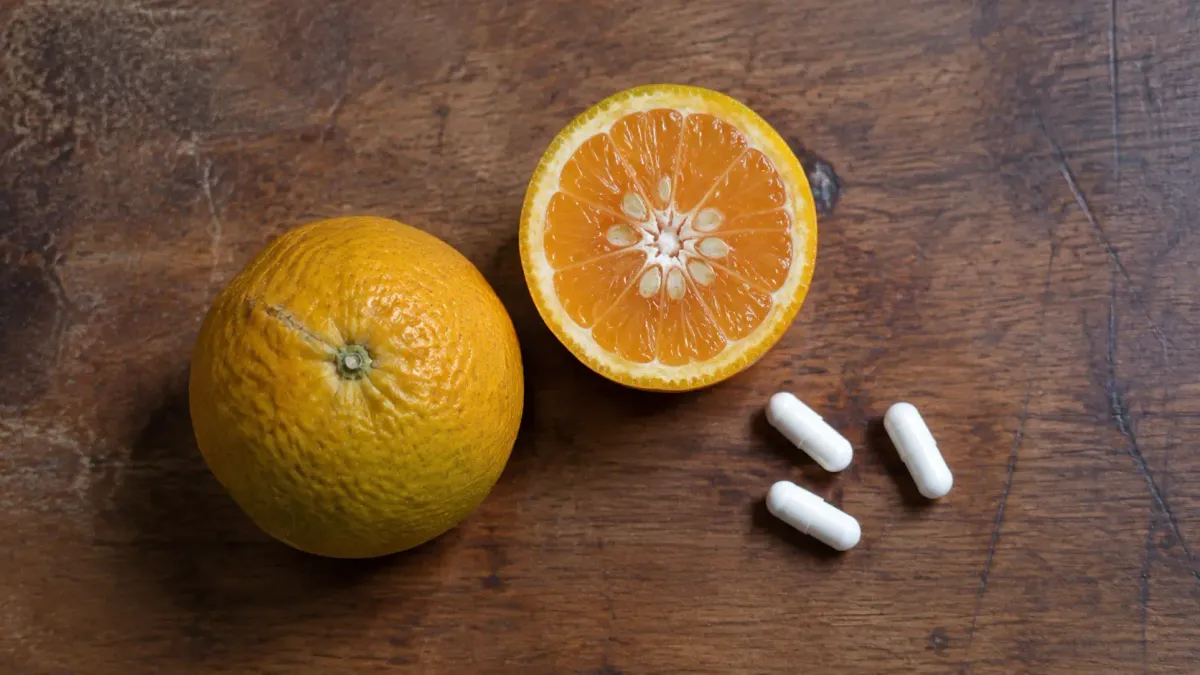
Synephrine occurs naturally in bitter orange, a citrus fruit used for centuries in cooking and traditional medicine. In that form, in the fruit, nobody is worried about it.
The concentrated extract is a different proposition. Synephrine is structurally similar to ephedrine, and the industry's interest in it dates precisely to when it needed a replacement for ephedra, which was banned from supplements in the United States in 2004 after being linked to serious cardiovascular events.
That history matters for reading marketing. When a product describes synephrine as a "natural alternative", the word doing the work is *alternative*, and what it is an alternative to is a compound withdrawn on safety grounds. Being gentler than ephedra is a low bar to clear.
What the research actually supports
I want to be fair to the ingredient, because the evidence is not one sided and the internet's two positions on synephrine, wonder compound and poison, are both wrong.
At studied doses, it looks reasonably safe in healthy adults. A systematic review and meta-analysis of bitter orange extract and p-synephrine, covering roughly 30 human studies, concluded that at commonly used doses these extracts do not produce meaningful cardiovascular effects. A 60 day double blind placebo controlled study found no adverse effects at up to 98 mg a day.
The effect on weight is small. In the same body of research, weight loss attributed to synephrine was non significant after prolonged treatment. It suppresses appetite and raises energy expenditure modestly, in the way stimulants do. It does not dissolve fat.
So the defensible summary of the literature is: a mild stimulant, mild effects, no alarm signal at the doses anybody has bothered to test.
Where the safety picture gets complicated
Three things unsettle that summary, and any honest page has to include them.
The upper limit of the research is low. The 98 mg figure is not a safe ceiling established by regulators. It is simply the highest amount a well designed safety study has examined. Above it, there is no data at all, and that absence is often reported as though it were reassurance. It is not. Absence of evidence of harm is not evidence of safety.
European regulators are markedly more cautious. The French food safety agency ANSES recommends keeping synephrine intake below 20 mg per day and specifically advises against combining it with caffeine, which is a problem given that most fat burner formulas do exactly that by design.
Adverse events have been reported. Fainting, chest pain, raised heart rate and stroke have all been reported in people taking synephrine containing supplements. The important caveat is that most of those products contained many ingredients, so synephrine cannot be isolated as the cause. The signal is real and the attribution is murky.
| Source | Daily synephrine |
|---|---|
| ANSES recommends staying below | 20 mg |
| Typical dose in studied products | around 50 mg |
| Highest amount in a 60 day safety study | 98 mg |
| Above this, no published data exists | ~100 mg |
The problem underneath all of it: the label may be wrong
This is the finding that changed how I read this category, and almost nobody quotes it.
In 2020, FDA scientists published an analysis in the journal *Drug Testing and Analysis* examining 59 products labelled as containing bitter orange, its extract or its amines. They measured what was actually inside using laboratory testing rather than trusting the packaging.
Of the 23 products that made a specific label claim for synephrine, only 5 contained an amount close to what the label stated, meaning within 80 to 120 percent of the declared figure. That is 22 percent accuracy on the single most important number on the box.
It gets worse. Six of the products were adulterated with synthetic amines that are not legal dietary ingredients: methylsynephrine, found at up to 240 mg per daily serving, and isopropyloctopamine. These are not plant compounds. They were not declared. And there is no human safety data on them at all.
What this means practically. Every calculation in this article, and every dose comparison you will read anywhere, assumes the label is telling the truth. In this specific category, four times out of five, it was not. You can do careful arithmetic about 20 mg versus 98 mg and still have no idea what you swallowed.
Who should avoid synephrine entirely
This part is not a matter of dose. Regardless of how much a product contains, the published research on synephrine points to the same list of people who should not take it without a doctor's clearance:
- Anyone with high blood pressure, including "slightly high" managed with tablets
- Anyone with a heart condition or arrhythmia
- Anyone with hyperthyroidism
- Anyone with narrow angle glaucoma
- Anyone pregnant or breastfeeding
- Anyone under 18
- Anyone taking regular medication, particularly MAO inhibitors, decongestants or heart medicines
- Anyone with high caffeine intake already, since the combination is the specific scenario ANSES warns about
If you recognise yourself in that list, the dose question stops being interesting. The answer is no.
How I would decide, in practice
If you are holding a fat burner and trying to work out whether its stimulant load is sensible, this is the order I would use.
Find the number. If the label declares synephrine, bitter orange extract or *Citrus aurantium* without a milligram figure, or hides it inside a "proprietary blend", stop there. A stimulant you cannot quantify is one you cannot evaluate.
Compare it against 20 and 98. Below 20 mg sits inside the most cautious regulatory recommendation. Around 50 mg is where studied products live. Approaching or exceeding 98 mg puts you past the edge of published safety research.
Count your total stimulant load, not just this one. Green tea extract and green coffee bean extract both carry caffeine, and so does your chai. The combination is the thing European regulators flag, not the synephrine alone.
Treat the label as a claim, not a fact. Given the FDA testing, buy from a channel with a traceable, licensed company behind it. That will not verify the milligrams for you, but it gives you somebody accountable if something goes wrong.
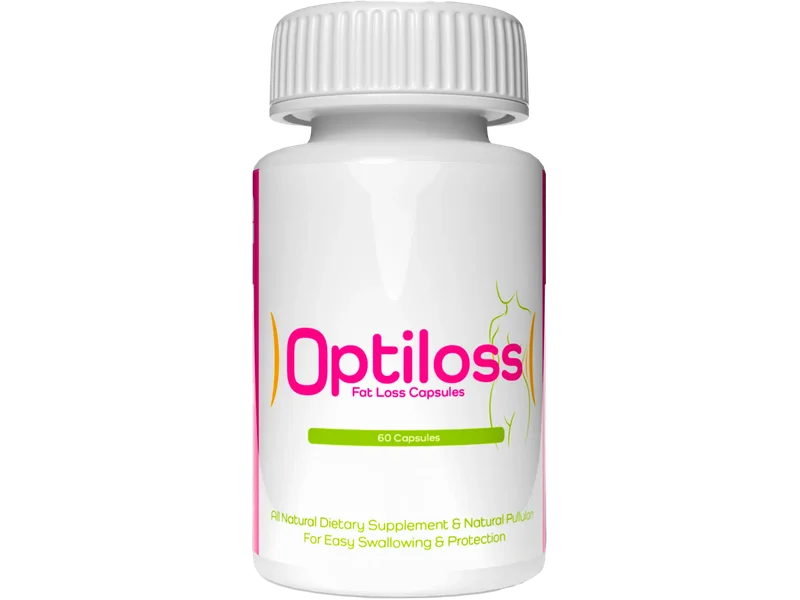
I have applied exactly this process to a specific product sold in India, whose label declares 400 mg of synephrine per daily dose, four times the highest studied amount. That analysis is in my Optiloss side effects article, and the full ingredient breakdown is here.
I am a market researcher, not a doctor, and nothing here is medical advice. I do not diagnose, treat or prescribe. Synephrine is a stimulant with cardiovascular effects and its safety above roughly 98 mg a day has never been studied. Do not take a synephrine containing product if you have high blood pressure, a heart condition, a thyroid disorder or glaucoma, or if you are pregnant or breastfeeding, without speaking to a qualified doctor first.
 Sponsored link
THE PRODUCT WE APPLIED THIS TO
See the presentation for the supplement analysed on this site
Its label declares 400 mg of synephrine per daily dose, four times the highest studied amount. Read our side effects analysis before you decide.
Visit the official page →
Sponsored link
THE PRODUCT WE APPLIED THIS TO
See the presentation for the supplement analysed on this site
Its label declares 400 mg of synephrine per daily dose, four times the highest studied amount. Read our side effects analysis before you decide.
Visit the official page →
Affiliate disclosure: we earn a commission if you buy through this link, at no extra cost to you. It does not change what we publish.
Frequently asked questions
Is synephrine safe to take?
At the doses used in published research, roughly 50 mg a day, synephrine has not shown serious adverse effects in healthy adults, and a 60 day study found none up to 98 mg. Above that amount no safety data exists. The French agency ANSES recommends staying below 20 mg a day and advises against combining synephrine with caffeine.
How much synephrine per day is too much?
There is no officially established maximum, which is part of the problem. The practical reference points are 20 mg, the level ANSES recommends staying under, and 98 mg, the highest amount examined in a 60 day safety study. Beyond 98 mg you are outside the published research entirely.
Is synephrine the same as ephedrine?
No, but they are structurally related and synephrine rose to popularity in supplements after ephedra was banned in the United States in 2004 on safety grounds. Synephrine appears to be milder, though "milder than a banned stimulant" is not the same as proven safe at any dose.
Does synephrine actually help you lose weight?
Only slightly, if at all. Research shows modest appetite suppression and a small rise in energy expenditure, and pooled analysis found the weight effect non significant after prolonged use. It is a mild stimulant, not a fat dissolving compound, whatever the advertising suggests.
Can I trust the synephrine amount printed on a supplement label?
Often not. When FDA scientists tested 59 bitter orange products, only 5 of the 23 that declared a specific synephrine amount contained a figure close to the label. Six products also contained undeclared synthetic amines that are not permitted as dietary ingredients. Buying from a traceable, licensed seller does not verify the dose, but it does give you accountability.
Is bitter orange the same thing as synephrine?
Bitter orange is the fruit; synephrine is the active compound extracted from it. On labels the two are used almost interchangeably, along with *Citrus aurantium* and trade names such as advantra Z. If you see any of them without a milligram figure beside it, you cannot tell how much stimulant you are taking.
Keep reading
 Appetite Control Supplements: What Actually Quietens Hunger, and What Just Sells
Appetite suppressants promise to switch hunger off. What actually reduces appetite according to research, what...
Read the analysis →
Appetite Control Supplements: What Actually Quietens Hunger, and What Just Sells
Appetite suppressants promise to switch hunger off. What actually reduces appetite according to research, what...
Read the analysis →
 Banned Weight Loss Ingredients, and Why They Keep Turning Up Anyway
Sibutramine was banned in India in 2010 and is still the most common adulterant found in slimming capsules. Th...
Read the analysis →
Banned Weight Loss Ingredients, and Why They Keep Turning Up Anyway
Sibutramine was banned in India in 2010 and is still the most common adulterant found in slimming capsules. Th...
Read the analysis →
 The Best Weight Loss Supplement in India: Why That Question Is a Trap
Every list of the best weight loss supplements in India is written by a shop. Here is how to read a label, spo...
Read the analysis →
The Best Weight Loss Supplement in India: Why That Question Is a Trap
Every list of the best weight loss supplements in India is written by a shop. Here is how to read a label, spo...
Read the analysis →
 Do Weight Loss Supplements Actually Work? I Read the Research So You Do Not Have To
A systematic review covering more than 300 clinical trials found little to no evidence that weight loss supple...
Read the analysis →
Do Weight Loss Supplements Actually Work? I Read the Research So You Do Not Have To
A systematic review covering more than 300 clinical trials found little to no evidence that weight loss supple...
Read the analysis →
 Fat Burner Side Effects: What Is Normal, What Is a Warning Sign
Most fat burner side effects come from one thing: stimulants. What is normal, what is a warning sign, who shou...
Read the analysis →
Fat Burner Side Effects: What Is Normal, What Is a Warning Sign
Most fat burner side effects come from one thing: stimulants. What is normal, what is a warning sign, who shou...
Read the analysis →
 How to Take Optiloss Capsules: The Dose, and What It Delivers
The seller instructs two Optiloss capsules a day with meals. The printed label declares 400 mg of synephrine i...
Read the analysis →
How to Take Optiloss Capsules: The Dose, and What It Delivers
The seller instructs two Optiloss capsules a day with meals. The printed label declares 400 mg of synephrine i...
Read the analysis →
 L-Carnitine, Garcinia and Green Coffee: What the Research Says About the Big Three
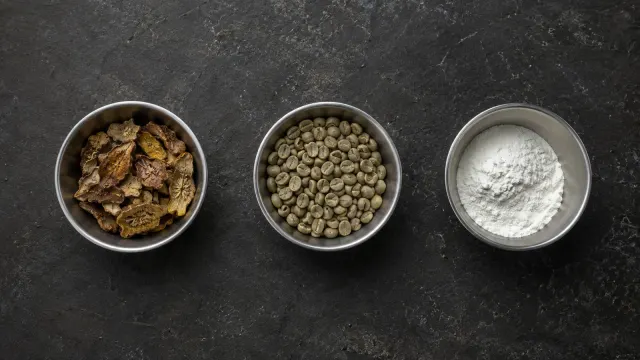
The three ingredients in almost every Indian fat burner, checked against published research. What each one doe...
Read the analysis →
L-Carnitine, Garcinia and Green Coffee: What the Research Says About the Big Three
The three ingredients in almost every Indian fat burner, checked against published research. What each one doe...
Read the analysis →
 How to Read a Supplement Label Before You Believe the Front of the Box
Per serving or per capsule? What a proprietary blend hides? Is an FSSAI licence an approval? A market research...
Read the analysis →
How to Read a Supplement Label Before You Believe the Front of the Box
Per serving or per capsule? What a proprietary blend hides? Is an FSSAI licence an approval? A market research...
Read the analysis →
 Optiloss Price in India: What a Bottle Costs, and What It Buys
Optiloss costs ₹2,999 for a bottle of 60 capsules, which is about a month at the instructed dose. Here is the ...
Read the analysis →
Optiloss Price in India: What a Bottle Costs, and What It Buys
Optiloss costs ₹2,999 for a bottle of 60 capsules, which is about a month at the instructed dose. Here is the ...
Read the analysis →
This site is reader supported. If you buy through a link here, I earn an affiliate commission at no extra cost to you. That includes the link below. It has not changed a figure or softened a caution in the article above.