



Optiloss Ingredients: Every Line of the Label, Checked Against the Research

By Priya Raghavan · Updated 4 August 2026 · Based on the printed label and published research
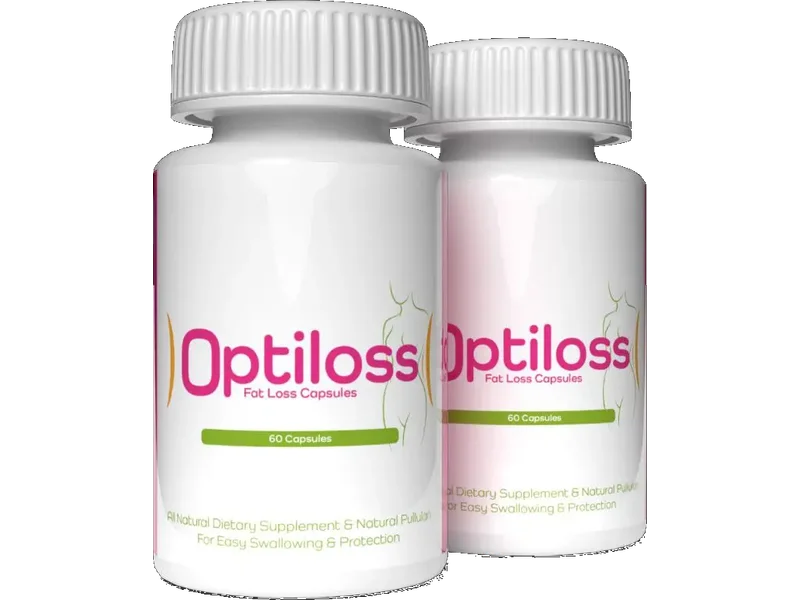
Optiloss capsules declare eight ingredients per daily dose: L-carnitine 500 mg, garcinia cambogia extract 500 mg, green tea extract 500 mg, synephrine 400 mg, green coffee bean extract 300 mg, honeysuckle extract 300 mg and two B vitamins. The evidence for the plant extracts ranges from modest to nearly absent. The synephrine dose is four times the highest amount in published safety studies, and the label does not disclose its caffeine or EGCG content.
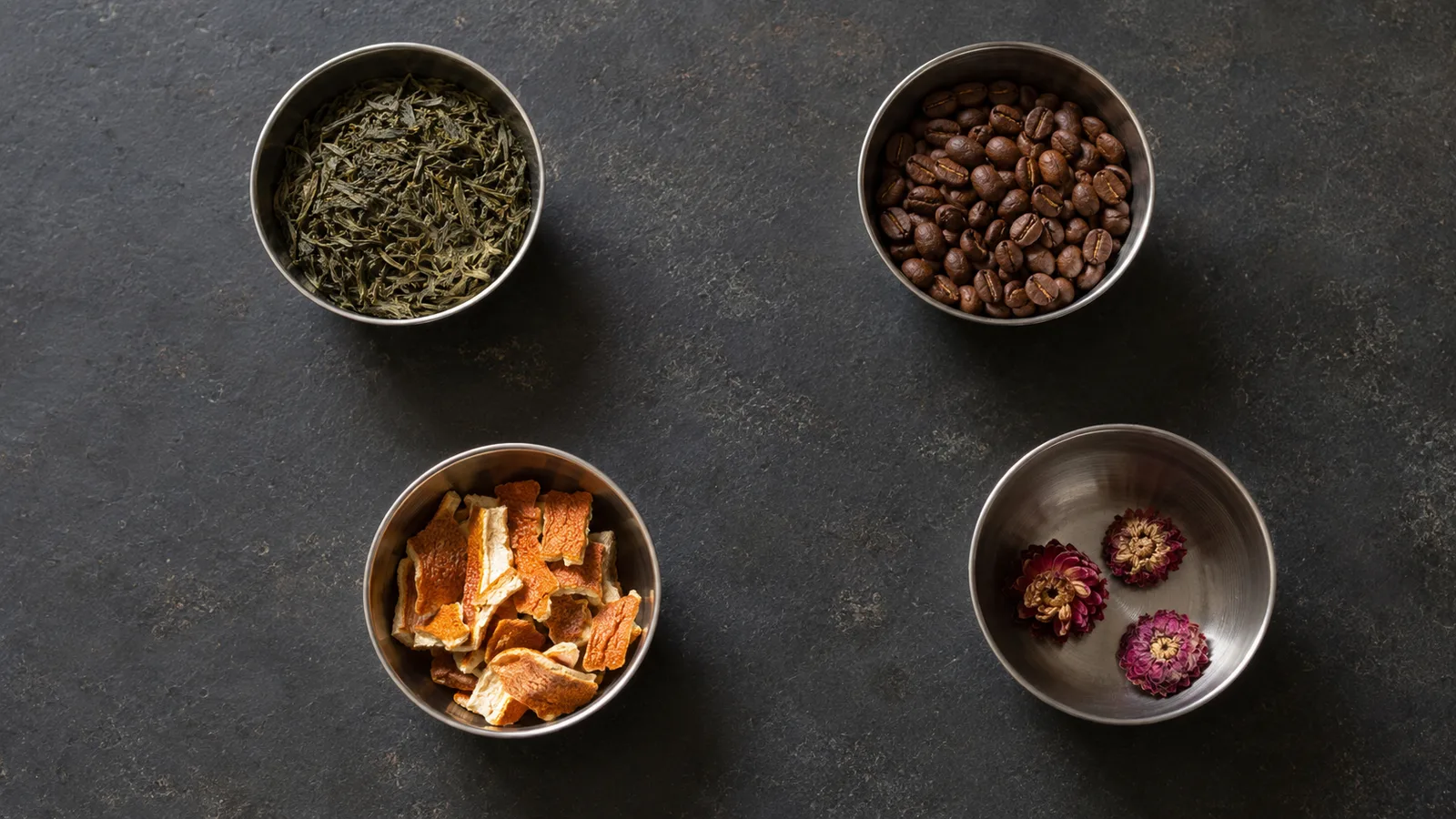
Most ingredient articles about supplements are rewrites of the seller's page. This one is not. Everything below comes from the printed label of the Optiloss box, and every claim about evidence links back to what published research actually measured. Where the label leaves something out, I say so, because a missing number is information too.
For context on what the product is and who makes it, start with my full Optiloss review.
The label at a glance
| Ingredient | Per daily dose | Evidence for weight loss |
|---|---|---|
| L-Carnitine | 500 mg | Modest, fractions of a kilogram |
| Garcinia Cambogia extract | 500 mg | Small and inconsistent |
| Green tea extract | 500 mg | Modest, mostly via caffeine |
| Synephrine | 400 mg | Appetite effect real, dose unstudied |
| Green coffee bean extract | 300 mg | Weak, low quality studies |
| Honeysuckle extract | 300 mg | Nearly no human weight research |
| Vitamin B6 | 1.4 mg | None directly, normal daily value |
| Vitamin B1 | 1.1 mg | None directly, normal daily value |
Excipients: microcrystalline cellulose, HPMC and silicon dioxide, all standard. The capsule shell is pullulan, a plant derived polymer, which supports the vegetarian claim.
Now each line, one at a time.
L-Carnitine, 500 mg
L-carnitine helps shuttle fatty acids into cells so they can be burned for energy. That mechanism sounds like a fat loss engine, which is why it appears in half the fat burners on the market.
The human trials tell a quieter story. Meta analyses of carnitine supplementation find a real but small effect on body weight, on the order of a kilogram or so across months of use, mostly in people who were overweight to begin with. Nothing about it is dangerous at this dose. Nothing about it is dramatic either.
Verdict: legitimate ingredient, honest dose, modest ceiling.
Garcinia Cambogia, 500 mg
Garcinia is the ingredient with the biggest gap between fame and evidence. Its active compound, HCA, was the darling of weight loss marketing for a decade.
Pooled results from randomised trials show a small short term effect that several reviews describe as not clinically meaningful, and some well designed trials found no difference from placebo at all. At 500 mg of extract, Optiloss doses it below many of the studies that already found little.
Verdict: mostly reputation. Expect nothing you could measure on your own scale.
Green tea extract, 500 mg, and the number that is not there
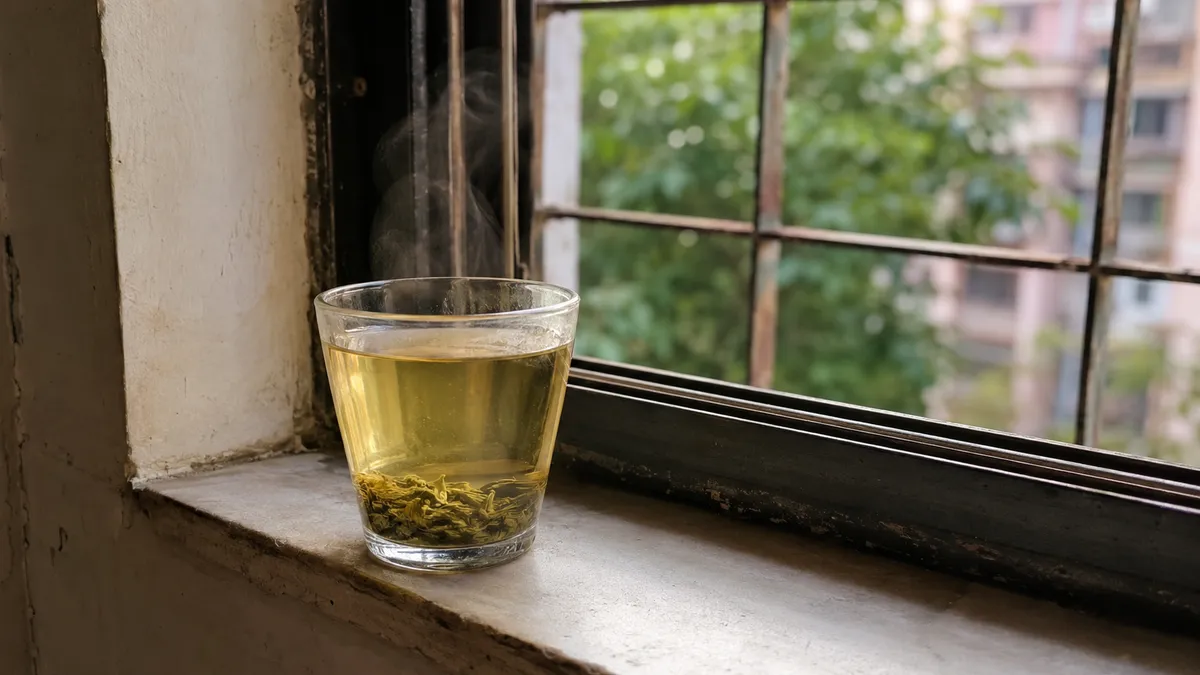
Green tea extract brings catechins, chiefly EGCG, plus caffeine. Some trials show a modest metabolic effect, and honest reviewers agree most of it travels with the caffeine.
My concern here is not what the label says but what it omits. European food safety authorities concluded that green tea extracts supplying 800 mg or more of EGCG per day may raise the risk of liver injury, and the EU requires a warning label above that line. The Optiloss label states 500 mg of extract and stops there. Extract is not EGCG: depending on concentration, 500 mg of extract could carry anywhere from a trivial amount of EGCG to a substantial one.
I cannot do that arithmetic for you, because the number needed for it is not printed. That absence is worth more attention than anything the marketing does say.
Synephrine, 400 mg: the line that defines the product
Synephrine, from bitter orange, is a stimulant chemically adjacent to ephedrine. It suppresses appetite, and that effect is real. It is also the reason this formula needs a warnings section at all.
Published safety research on synephrine reaches up to 98 mg per day, a level a 60 day double blind study found free of adverse effects. The French agency ANSES recommends staying below 20 mg per day and specifically advises against combining synephrine with caffeine. Optiloss contains 400 mg, four times the studied ceiling, packaged alongside two caffeine bearing extracts.
I wrote a separate article on what that means and who must avoid it, and I would call it required reading rather than optional. The short list: high blood pressure, any heart condition, thyroid disorders, glaucoma, pregnancy, breastfeeding and anyone on regular medication.
Verdict: the engine of the formula, running at a dose the research has never mapped.
Green coffee bean extract, 300 mg
Unroasted coffee beans keep their chlorogenic acids, which showed promising early results for weight. The problem is the word early: the supportive trials were small, short and, in several cases, industry funded, and a famous one was later retracted. Reviews since then describe the evidence as weak and the effect, if any, as small.
It also adds caffeine to a formula that already has two other sources of stimulation. See above.
Verdict: thin evidence, and more caffeine where more caffeine is not needed.
Honeysuckle extract, 300 mg
Honeysuckle appears in traditional preparations and in some laboratory research on metabolism, mostly in cell cultures and animals. Human trials on honeysuckle for weight loss essentially do not exist.
I have nothing negative to say about it and nothing positive either, which is precisely the point. An ingredient without human evidence is filler with a botanical name until proven otherwise.
Verdict: unknown, and unknowable from the current research.
The two B vitamins, and a labelling oddity
The label lists "Thiamine B6 1.4 mg" and "Vitamine B1 1.1 mg". Small technical note: thiamine is vitamin B1, and B6 is pyridoxine, a different vitamin. The label appears to have tangled the two names. The amounts match the standard daily values for B6 and B1 respectively, so my reading is that both vitamins are present at ordinary nutritional levels.
Neither causes weight loss. They are there, as in most supplements, to make the nutrition table look complete. The mislabelling is harmless in practice but telling about proofreading standards.
What the whole formula adds up to
Read as a system rather than a list, Optiloss is one large stimulant dose wearing a coat of modestly evidenced botanicals. The carnitine, garcinia, green tea and green coffee together might account for a small fraction of any effect. The synephrine accounts for the rest, and for the entire risk profile.
That is not automatically a reason to walk away. It is a reason to make the decision about the stimulant, knowingly, rather than about the botanical coat. What it costs to run that experiment, and the box count confusion around it, is covered in the price article.
I am not a doctor and nothing here is medical advice. I do not diagnose, treat or prescribe. This formula contains 400 mg of synephrine per daily dose, above any studied amount, plus two caffeine sources. Do not take it with high blood pressure, a heart condition or a thyroid disorder, or while pregnant or breastfeeding, without a doctor's guidance.
 Sponsored link
COMPARE THE LABELS YOURSELF
The seller’s own ingredient page, side by side with ours
Worth comparing their table against the one above, particularly the synephrine line. Prices change without notice.
Visit the official page →
Sponsored link
COMPARE THE LABELS YOURSELF
The seller’s own ingredient page, side by side with ours
Worth comparing their table against the one above, particularly the synephrine line. Prices change without notice.
Visit the official page →
Affiliate disclosure: we earn a commission if you buy through this link, at no extra cost to you. It does not change what we publish.
Frequently asked questions
What are the main ingredients in Optiloss capsules?
Per daily dose: L-carnitine 500 mg, garcinia cambogia extract 500 mg, green tea extract 500 mg, synephrine 400 mg, green coffee bean extract 300 mg, honeysuckle extract 300 mg, plus vitamins B6 and B1 at standard daily values. The capsule shell is plant derived pullulan, and the bottle holds 60 capsules.
Does Optiloss contain caffeine?
Yes, indirectly. Green tea extract and green coffee bean extract both carry caffeine, though the label does not state how much. Combined with 400 mg of synephrine, a stimulant, the formula delivers three stimulating components in one dose, which is why keeping your tea and coffee intake low matters if you take it.
Is garcinia cambogia effective for weight loss?
The pooled evidence says the effect is small and inconsistent, and several rigorous trials found no difference from placebo. Most reviews describe garcinia's short term effect as too small to be clinically meaningful. It is the most famous ingredient in the formula and the least deserving of the fame.
Which Optiloss ingredient actually does the most?
Synephrine, the 400 mg stimulant, is the working engine of the formula. It genuinely suppresses appetite. It is also the ingredient with the largest safety question, because published research stops at doses four times lower than what the label instructs.
Are Optiloss capsules vegetarian?
The declared components support that claim: plant extracts, an amino acid derivative, B vitamins, mineral excipients and a pullulan capsule shell, which is plant derived rather than gelatine. As always with supplements, that reflects the label rather than independent testing.
Keep reading
 Optiloss on Amazon India: What to Verify Before You Trust Any Listing
Optiloss listings appear on Amazon India and third party shops. What to verify on any box before you trust it,...
Read the analysis →
Optiloss on Amazon India: What to Verify Before You Trust Any Listing
Optiloss listings appear on Amazon India and third party shops. What to verify on any box before you trust it,...
Read the analysis →
 Optiloss Price in India: What a Bottle Costs, and What It Buys
Optiloss costs ₹2,999 for a bottle of 60 capsules, which is about a month at the instructed dose. Here is the ...
Read the analysis →
Optiloss Price in India: What a Bottle Costs, and What It Buys
Optiloss costs ₹2,999 for a bottle of 60 capsules, which is about a month at the instructed dose. Here is the ...
Read the analysis →
 Optiloss Real Reviews: Why So Many Sound the Same, and How to Read Past That
Most Optiloss reviews online read almost identically. Here is how to tell a manufactured review from a real on...
Read the analysis →
Optiloss Real Reviews: Why So Many Sound the Same, and How to Read Past That
Most Optiloss reviews online read almost identically. Here is how to tell a manufactured review from a real on...
Read the analysis →
 Optiloss Capsules Review: What I Found When I Read the Label
A market researcher's honest Optiloss review. What the capsules contain, who makes them, and the one number on...
Read the analysis →
Optiloss Capsules Review: What I Found When I Read the Label
A market researcher's honest Optiloss review. What the capsules contain, who makes them, and the one number on...
Read the analysis →
 Optiloss Side Effects: What the Label Actually Says
Optiloss lists 400 mg of synephrine per day. The largest safety study stopped at 98 mg. Here is what that gap ...
Read the analysis →
Optiloss Side Effects: What the Label Actually Says
Optiloss lists 400 mg of synephrine per day. The largest safety study stopped at 98 mg. Here is what that gap ...
Read the analysis →
 Optiloss vs Other Fat Burners in India: Compare the Architecture, Not the Adverts
How Optiloss compares with other fat burner types sold in India, judged by formula architecture rather than ma...
Read the analysis →
Optiloss vs Other Fat Burners in India: Compare the Architecture, Not the Adverts
How Optiloss compares with other fat burner types sold in India, judged by formula architecture rather than ma...
Read the analysis →
 How to Read a Supplement Label Before You Believe the Front of the Box
Per serving or per capsule? What a proprietary blend hides? Is an FSSAI licence an approval? A market research...
Read the analysis →
How to Read a Supplement Label Before You Believe the Front of the Box
Per serving or per capsule? What a proprietary blend hides? Is an FSSAI licence an approval? A market research...
Read the analysis →
This site is reader supported. Purchases made through the link below earn me an affiliate commission at no extra cost to you. No manufacturer saw or influenced this analysis.