



Banned Weight Loss Ingredients, and Why They Keep Turning Up Anyway

By Priya Raghavan · Updated 4 August 2026 · Based on the printed label and published research
The weight loss compounds withdrawn on safety grounds include sibutramine, banned in India in 2010 after trials showed increased heart attack and stroke risk, ephedra, withdrawn in the United States in 2004, phenolphthalein, a suspected carcinogen, and DNP, which has killed people. The problem is that these do not only appear in illegal pills. Regulators repeatedly find them hidden inside products sold as natural herbal slimming capsules, undeclared on the label. Sibutramine is the single most common adulterant found in weight loss supplements.

There is a comfortable assumption behind most supplement purchases: that banned means gone. A regulator prohibits a compound, it leaves the market, and what remains on the shelf is by definition allowed.
That is not how this category works. The compounds below are prohibited, and they keep being found in products that describe themselves as herbal, natural and free of side effects. Understanding why is more useful than memorising the list.
The main banned compounds
Sibutramine. An appetite suppressant sold as Meridia. In 2010 the SCOUT trial found it significantly raised heart rate and blood pressure and increased the risk of heart attack and stroke. Europe, the United States, Canada and Australia withdrew it in October 2010, and the Drug Controller General of India suspended all manufacturing and distribution licences the following month. Around twenty companies had been selling generic versions in India.
It is also, by a wide margin, the most common adulterant regulators find in slimming supplements. When a "natural" capsule turns out to contain a hidden drug, this is usually the drug.
Ephedra, or ma huang. Banned from supplements in the United States in 2004 after being linked to serious cardiovascular events and deaths. Its prohibition is the reason synephrine became popular, which is worth remembering when synephrine is marketed as the safe natural alternative. I go into that compound in detail in my article on synephrine safety.
Phenolphthalein. A former laxative ingredient withdrawn over cancer concerns. It appears in adulterated slimming products because it produces dramatic, visible results that have nothing to do with fat loss.
DNP, or 2,4-dinitrophenol. An industrial chemical, sold illegally as a fat burner. It raises body temperature to a degree that has proved fatal. It is not a grey area and there is no safe dose.
Undeclared synthetic amines. Less famous but directly relevant. When FDA scientists tested 59 bitter orange products, six contained methylsynephrine or isopropyloctopamine, synthetic compounds that are not permitted dietary ingredients, at up to 240 mg per serving. None were declared. There is no human safety data on them.
Yellow oleander. In 2023 the FDA warned that products sold as Nuez de la India, India nuts or India seeds contained yellow oleander, a toxic plant that can cause severe or fatal cardiac and neurological effects.
Why banned compounds keep appearing in "herbal" products
This is the part that changes how you shop.
Supplements are not tested before sale. They are regulated as food, not medicine. Nobody analyses the contents before a product reaches a shelf, so an adulterated capsule is generally discovered only after somebody is harmed and an investigation follows.
Adulteration is commercially rational for a dishonest seller. Herbal ingredients produce small effects. A prescription appetite suppressant produces a large one. A seller who wants glowing early reviews has an obvious, illegal shortcut, and the customer feeling a dramatic effect from a herbal capsule interprets it as proof the product works.
An absolute safety claim is often the tell. A product with a strong effect and no reported downsides is not a triumph of botany. It is more likely a product whose active ingredient is not on the label.
Online marketplaces are the usual channel. Regulators repeatedly find these products in marketplace listings and cross border shipments, where the storefront can vanish and reappear under another name. I cover the marketplace question specifically in my article on buying from Amazon India.
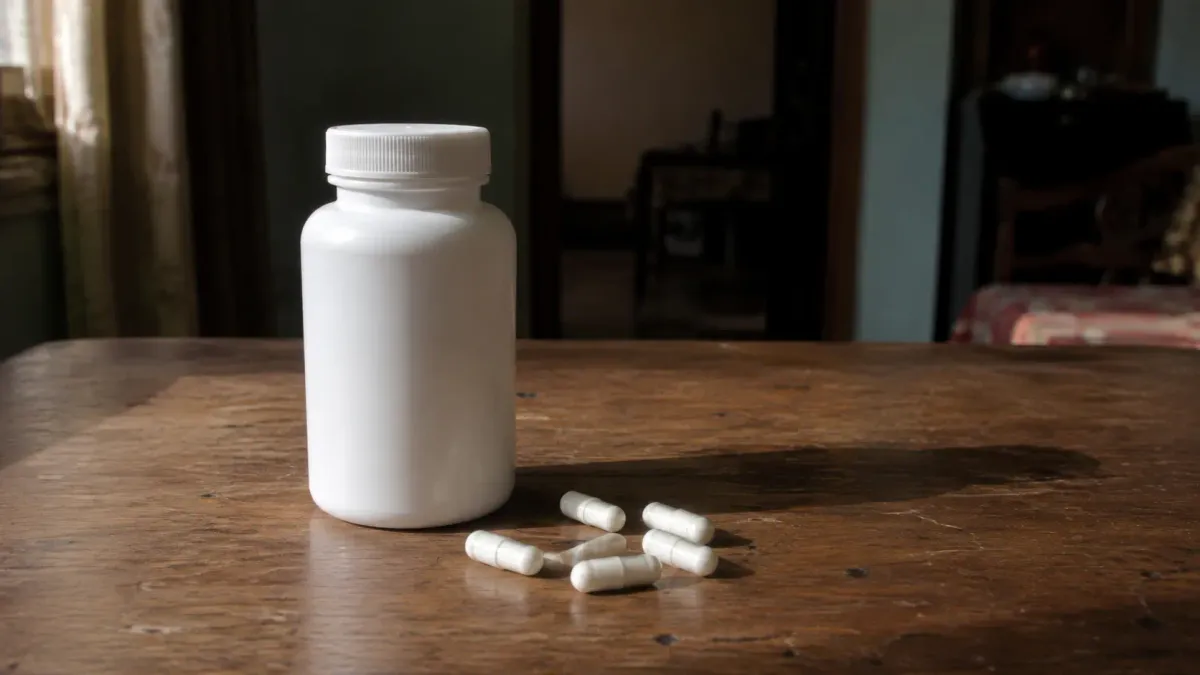
The warning signs, in order of usefulness
You cannot test a capsule at home. What you can do is refuse the products that carry the markers.
A dramatic promise. Kilograms in weeks, with no change to how you eat or move. Herbal ingredients do not do this. If a product genuinely delivers that, ask what is in it that the label does not mention.
An effect out of proportion to the ingredients. Powerful appetite suppression from a capsule of plant extracts is the single most suspicious experience in this category.
A claim of complete natural safety. As above. Wording of that kind appears in the FDA's own descriptions of tainted products, precisely because it is what sellers of adulterated capsules reach for.
No traceable company. No manufacturer, no address, no licence number, no working contact. Adulterated products come from sellers who intend not to be found. A real company with a real address and an FSSAI licence number is not proof of quality, but it means somebody is accountable.
A price far below the market. Deep discounting on a single brand diet product is a classic marker of parallel, expired or counterfeit stock.
Sudden unexplained symptoms. Racing heart, severe insomnia, marked blood pressure rise or dramatic laxative effects are reasons to stop the product and keep the packaging, in case a doctor needs to know what you took.
What to do if you think you have taken one
Stop taking it. Keep the packaging and any remaining capsules, because the label and batch number are what a doctor or regulator will need.
If you have chest pain, an irregular heartbeat, fainting, severe headache or signs of a stroke, go to a hospital rather than waiting to see whether it passes.
You can also check regulator databases before ordering. The FDA maintains a public list of weight loss products found to contain hidden ingredients, and it is searchable by brand name. It is not exhaustive, since it only contains what has been caught, but a product already on it needs no further discussion.
The uncomfortable conclusion
The reason this article exists on a site that analyses a supplement is that the two things are not in conflict.
A legal product with a traceable manufacturer, a full ingredient table and disclosed doses can still be a product I would not recommend, on grounds of dose or weak evidence. That is a judgement about value and risk, and I make it in the open. An adulterated product is a different category of problem: you cannot evaluate it at all, because the most important fact about it is deliberately missing.
Reading labels only works when the label is telling the truth. Everything on this site assumes that it is, which is exactly why the sourcing question, who made this and can they be found, comes before the ingredient question. My guide to reading a label sets out the full order.
I am a market researcher, not a doctor, and nothing here is medical advice. I do not diagnose, treat or prescribe. If you believe you have taken a product containing an undeclared pharmaceutical ingredient, stop taking it, keep the packaging and speak to a doctor. Chest pain, an irregular heartbeat, fainting or signs of a stroke require emergency medical attention, not a wait and see approach.
 Sponsored link
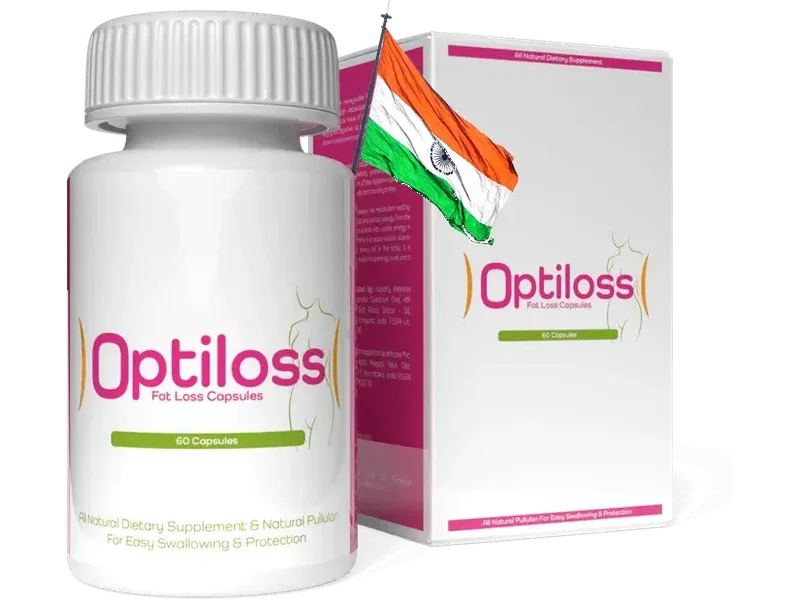
A PRODUCT YOU CAN CHECK
See the presentation for the supplement analysed on this site
It declares its formula and names a licensed Indian company. Our criticism is of the stimulant dose, which is a judgement you can weigh yourself.
Visit the official page →
Sponsored link
A PRODUCT YOU CAN CHECK
See the presentation for the supplement analysed on this site
It declares its formula and names a licensed Indian company. Our criticism is of the stimulant dose, which is a judgement you can weigh yourself.
Visit the official page →
Affiliate disclosure: we earn a commission if you buy through this link, at no extra cost to you. It does not change what we publish.
Frequently asked questions
Which weight loss ingredients are banned in India?
Sibutramine was banned in India in November 2010, when the Drug Controller General suspended all licences to manufacture and distribute it, after trials linked it to increased heart attack and stroke risk. Other prohibited or unapproved compounds found in slimming products include ephedra, phenolphthalein, DNP and undeclared synthetic amines such as methylsynephrine.
Why is sibutramine still found in slimming capsules?
Because supplements are not analysed before sale. Regulators generally discover adulteration only after harm is reported, and sibutramine produces a strong appetite suppressing effect that a purely herbal formula cannot match, which makes it attractive to dishonest sellers wanting dramatic early results.
How can I tell if a weight loss supplement contains a hidden drug?
You cannot test it at home, but the markers are consistent: promises of rapid loss with no change to how you eat, claims of complete natural safety, an effect far stronger than the ingredients would explain, no traceable manufacturer or licence number, and a price well below the market. The FDA also publishes a searchable list of products found to contain hidden ingredients.
Is a herbal or ayurvedic slimming product safer than a pharmaceutical one?
Not necessarily. Herbal products are not tested for efficacy before sale, and they are the exact category in which regulators most often find hidden pharmaceutical adulterants. A prescription medicine at least has known contents and a doctor supervising the dose.
What should I do if I have been taking a product that turns out to be adulterated?
Stop taking it and keep the packaging and remaining capsules, since the batch number and label are what a doctor or regulator will need. Seek medical attention immediately if you have chest pain, an irregular heartbeat, fainting or signs of a stroke.
Does a product being sold on a large marketplace mean it is safe?
No. Regulators regularly find adulterated slimming products in marketplace listings, where storefronts can close and reopen under a different name. Marketplace presence is a distribution fact, not a safety check, and it is worth confirming that the pack names a real company with a licence number.
Keep reading
 Appetite Control Supplements: What Actually Quietens Hunger, and What Just Sells
Appetite suppressants promise to switch hunger off. What actually reduces appetite according to research, what...
Read the analysis →
Appetite Control Supplements: What Actually Quietens Hunger, and What Just Sells
Appetite suppressants promise to switch hunger off. What actually reduces appetite according to research, what...
Read the analysis →
 The Best Weight Loss Supplement in India: Why That Question Is a Trap
Every list of the best weight loss supplements in India is written by a shop. Here is how to read a label, spo...
Read the analysis →
The Best Weight Loss Supplement in India: Why That Question Is a Trap
Every list of the best weight loss supplements in India is written by a shop. Here is how to read a label, spo...
Read the analysis →
 Do Weight Loss Supplements Actually Work? I Read the Research So You Do Not Have To
A systematic review covering more than 300 clinical trials found little to no evidence that weight loss supple...
Read the analysis →
Do Weight Loss Supplements Actually Work? I Read the Research So You Do Not Have To
A systematic review covering more than 300 clinical trials found little to no evidence that weight loss supple...
Read the analysis →
 Fat Burner Side Effects: What Is Normal, What Is a Warning Sign
Most fat burner side effects come from one thing: stimulants. What is normal, what is a warning sign, who shou...
Read the analysis →
Fat Burner Side Effects: What Is Normal, What Is a Warning Sign
Most fat burner side effects come from one thing: stimulants. What is normal, what is a warning sign, who shou...
Read the analysis →
 How to Take Optiloss Capsules: The Dose, and What It Delivers
The seller instructs two Optiloss capsules a day with meals. The printed label declares 400 mg of synephrine i...
Read the analysis →
How to Take Optiloss Capsules: The Dose, and What It Delivers
The seller instructs two Optiloss capsules a day with meals. The printed label declares 400 mg of synephrine i...
Read the analysis →
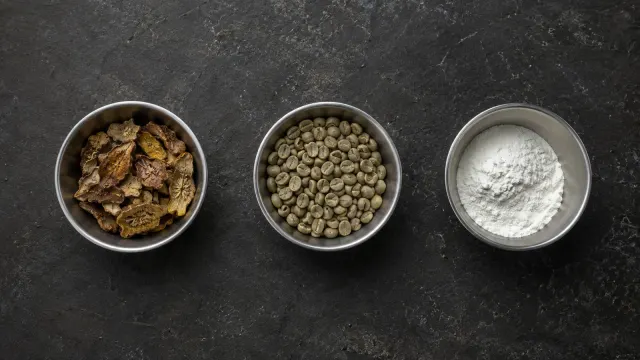 L-Carnitine, Garcinia and Green Coffee: What the Research Says About the Big Three
The three ingredients in almost every Indian fat burner, checked against published research. What each one doe...
Read the analysis →
L-Carnitine, Garcinia and Green Coffee: What the Research Says About the Big Three
The three ingredients in almost every Indian fat burner, checked against published research. What each one doe...
Read the analysis →
 How to Read a Supplement Label Before You Believe the Front of the Box
Per serving or per capsule? What a proprietary blend hides? Is an FSSAI licence an approval? A market research...
Read the analysis →
How to Read a Supplement Label Before You Believe the Front of the Box
Per serving or per capsule? What a proprietary blend hides? Is an FSSAI licence an approval? A market research...
Read the analysis →
 Is Synephrine Safe? The Stimulant Behind Most Fat Burners, Examined
Synephrine is the stimulant behind most fat burners. Safety research stops at 98 mg a day, and FDA testing fou...
Read the analysis →
Is Synephrine Safe? The Stimulant Behind Most Fat Burners, Examined
Synephrine is the stimulant behind most fat burners. Safety research stops at 98 mg a day, and FDA testing fou...
Read the analysis →
 Optiloss on Amazon India: What to Verify Before You Trust Any Listing
Optiloss listings appear on Amazon India and third party shops. What to verify on any box before you trust it,...
Read the analysis →
Optiloss on Amazon India: What to Verify Before You Trust Any Listing
Optiloss listings appear on Amazon India and third party shops. What to verify on any box before you trust it,...
Read the analysis →
This site is reader supported. If you buy through a link here, I earn an affiliate commission at no extra cost to you. That includes the link below.