



Optiloss Side Effects: What the Label Actually Says

By Priya Raghavan · Updated 4 August 2026 · Based on the printed label and published research
Optiloss capsules contain 400 mg of synephrine per daily dose, which is four times the highest amount tested in the largest published safety study. If you have high blood pressure, a heart condition, a thyroid disorder or you are pregnant or breastfeeding, do not take this product before speaking to a doctor. For everyone else, the honest answer is that nobody has studied a dose this high, so nobody can tell you it is fine.

I spent fourteen years checking whether the data behind a claim actually said what the client wanted it to say. Old habits die hard. When the Optiloss box arrived, I did not read the marketing first. I read the ingredients table on the back. One number stopped me, and this whole article exists because of it.
The number: 400 mg of synephrine
Synephrine is a stimulant extracted from bitter orange. It sits in the same broad family as ephedrine, which is exactly why researchers have spent two decades studying how much of it is safe to take.
Here is what the published research says, next to what the Optiloss label says.
| Source | Daily amount of synephrine |
|---|---|
| ANSES, the French food safety agency, recommends staying below | 20 mg |
| A 60 day double blind safety study found no adverse effects up to | 98 mg |
| Above roughly this amount, no published safety data exists | 100 mg |
| Optiloss label, stated daily dose | 400 mg |
I want to be precise about what this table does and does not say. It does not say that 400 mg will harm you. It says that no one has published a study telling us what 400 mg does, because the research stopped far below that point. Those are different statements, and the difference matters.
When I was analysing market research, we had a phrase for this: absence of evidence of harm is not evidence of safety. A dose four times beyond the studied range is not a known quantity. It is a question mark, and you are the one answering it.
The caffeine problem inside the same capsule
The safety literature on synephrine repeats one warning more than any other: be careful combining it with caffeine, because both push the cardiovascular system in the same direction.
Now look at the rest of the Optiloss formula. The same four capsule dose contains 500 mg of green tea extract and 300 mg of green coffee bean extract. Both carry caffeine.
So the combination the researchers specifically flag, stimulant plus caffeine, is not something you might accidentally create by drinking chai with your capsule. It is built into the product. If you drink two or three cups of tea or coffee a day on top, which most of us in India do, you are stacking caffeine on caffeine on a stimulant that has not been tested at this dose.
This is the single most useful thing to understand about Optiloss, and I have not found one seller page that mentions it.
Who should not take Optiloss
The contraindications below come from the published research on synephrine and bitter orange extract, not from my opinion. If any of these describes you, this product is not a maybe. Talk to a doctor first.
- High blood pressure, even the controlled kind. Synephrine is a sympathomimetic, meaning it can nudge blood pressure and heart rate upwards.
- Any heart condition, including a history of irregular heartbeat or tachyarrhythmia.
- Thyroid problems, especially an overactive thyroid, which stimulants can aggravate.
- Narrow angle glaucoma.
- Pregnancy and breastfeeding. There is no safety data for either, and this is not the place to be the first data point.
- Anyone under 18.
- Anyone on regular medication, particularly for blood pressure, heart rhythm, depression or diabetes. Stimulants interact, and your chemist cannot check an interaction for an ingredient list they have never seen.
One more group I would add from common sense rather than a paper: anyone with an anxiety disorder or serious trouble sleeping. Four hundred milligrams of a stimulant plus two sources of caffeine is not a recipe for calm nights.

What to watch in the first days
If you have read all this, have none of the conditions above and still decide to try it, treat the first week as an observation period. This is what I would track, morning and evening, in a notebook:
- Resting heart rate. Most phones or a simple count for thirty seconds. A clear jump from your normal is the signal that matters most.
- Palpitations. The feeling of your heart pounding, fluttering or skipping when you are sitting still.
- Sleep. Time to fall asleep and how often you wake. Stimulants taken in the evening dose commonly show up here first.
- Jitteriness or unusual anxiety, especially in the first three hours after a capsule.
- Headaches and raised blood pressure if you have a way to measure it.
- Stomach upset. Green tea extract on an empty stomach bothers some people, and the label asks you to take these capsules before meals.
If you notice palpitations, chest discomfort, a racing heart at rest or your blood pressure climbing, stop taking the capsules and see a doctor. None of that is something to push through for the sake of a weight loss experiment.
The liver question the label leaves open
There is a second, quieter issue in the formula. European food safety authorities concluded that green tea extract supplying 800 mg or more of EGCG per day may raise the risk of liver injury, and the EU now requires a warning on such products.
The Optiloss label lists 500 mg of green tea extract but does not state how much EGCG that extract contains. Extracts vary enormously, so 500 mg of extract could sit comfortably below the threshold or uncomfortably close to it. I cannot tell you which, and neither can you, because the number is not printed anywhere.
I am not accusing the product of anything here. I am pointing out that a piece of information the EU considers important enough to mandate is simply absent, and you deserve to know it is absent before you decide.
The honest closing
Plenty of people take stimulant based supplements and feel nothing worse than a dry mouth. If you are young, healthy, medication free and caffeine tolerant, the most likely outcome of a box of Optiloss is some appetite suppression, some restlessness and a lighter wallet. That is a different situation from the products regulators pull off the market for carrying undeclared banned ingredients: this one declares its formula, and the concern here is the size of a dose you can actually see.
The point of this article is not to frighten you. It is to tell you which group you are in before the capsules do. The label will not ask about your blood pressure. The seller page will not ask what medication your parents take that you might also be taking by 45. Somebody should ask, so I am asking.
If you want my full assessment of the product beyond safety, including what the ingredients can realistically do, I have written a complete Optiloss review and a breakdown of every ingredient and its evidence.
I am a market researcher, not a doctor, and nothing here is medical advice. I do not diagnose, treat or prescribe. If you take regular medication or have any condition listed above, especially high blood pressure, a heart condition or a thyroid disorder, or if you are pregnant or breastfeeding, speak to a qualified doctor before taking any weight loss supplement.
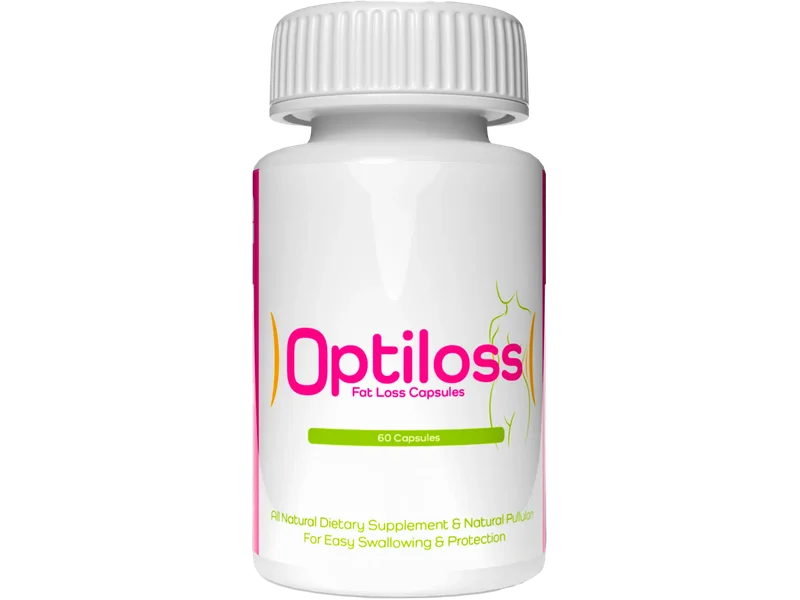 Sponsored link
IF THE LIST ABOVE DOES NOT DESCRIBE YOU
See the current Optiloss offer and what ships
Seller’s page, seller’s claims. Read the contraindications above first, especially if you take any regular medication. Prices change without notice.
Visit the official page →
Sponsored link
IF THE LIST ABOVE DOES NOT DESCRIBE YOU
See the current Optiloss offer and what ships
Seller’s page, seller’s claims. Read the contraindications above first, especially if you take any regular medication. Prices change without notice.
Visit the official page →
Affiliate disclosure: we earn a commission if you buy through this link, at no extra cost to you. It does not change what we publish.
Frequently asked questions
Is Optiloss safe to take?
No published study has tested synephrine at the 400 mg daily dose printed on the Optiloss label. The largest safety study stopped at 98 mg and found no problems at that level. Between 98 mg and 400 mg there is simply no data. Safe is a word that requires evidence, and the evidence stops well below this dose.
Can I drink tea or coffee while taking Optiloss?
The research on synephrine specifically warns against combining it with caffeine, and Optiloss already contains two caffeine sources, green tea extract and green coffee bean extract. Adding several cups of chai or coffee stacks more caffeine on top of that. If you take it at all, keeping your other caffeine low is the sensible reading of the evidence.
Who should completely avoid Optiloss?
Anyone with high blood pressure, a heart condition, an overactive thyroid or narrow angle glaucoma, anyone pregnant or breastfeeding, anyone under 18 and anyone on regular medication should not take Optiloss without a doctor's clearance. This list comes from the published research on synephrine, the main stimulant in the formula.
What are the most common side effects people report with synephrine products?
At studied doses, the reported effects include raised heart rate, palpitations, jitteriness, sleep trouble, headaches and stomach upset. How that translates to the much higher dose in Optiloss is unknown, because that dose has not been studied.
Does Optiloss damage the liver?
There is no direct evidence about Optiloss and the liver. The concern is indirect: EU authorities flag green tea extracts above 800 mg of EGCG per day as a liver risk, and the Optiloss label does not disclose its EGCG content, so the question cannot be answered from the packaging. If you have any liver condition, that missing number is a reason for caution.
Should I stop taking it if I feel my heart racing?
Yes. A racing heart at rest, palpitations or chest discomfort are the signals the safety literature treats most seriously with stimulants. Stop the capsules and see a doctor rather than waiting for it to pass.
Keep reading
 Optiloss on Amazon India: What to Verify Before You Trust Any Listing
Optiloss listings appear on Amazon India and third party shops. What to verify on any box before you trust it,...
Read the analysis →
Optiloss on Amazon India: What to Verify Before You Trust Any Listing
Optiloss listings appear on Amazon India and third party shops. What to verify on any box before you trust it,...
Read the analysis →
 Optiloss Ingredients: Every Line of the Label, Checked Against the Research
The full Optiloss ingredient list with real amounts from the printed label, what research says about each one ...
Read the analysis →
Optiloss Ingredients: Every Line of the Label, Checked Against the Research
The full Optiloss ingredient list with real amounts from the printed label, what research says about each one ...
Read the analysis →
 Optiloss Price in India: What a Bottle Costs, and What It Buys
Optiloss costs ₹2,999 for a bottle of 60 capsules, which is about a month at the instructed dose. Here is the ...
Read the analysis →
Optiloss Price in India: What a Bottle Costs, and What It Buys
Optiloss costs ₹2,999 for a bottle of 60 capsules, which is about a month at the instructed dose. Here is the ...
Read the analysis →
 Optiloss Real Reviews: Why So Many Sound the Same, and How to Read Past That
Most Optiloss reviews online read almost identically. Here is how to tell a manufactured review from a real on...
Read the analysis →
Optiloss Real Reviews: Why So Many Sound the Same, and How to Read Past That
Most Optiloss reviews online read almost identically. Here is how to tell a manufactured review from a real on...
Read the analysis →
 Optiloss Capsules Review: What I Found When I Read the Label
A market researcher's honest Optiloss review. What the capsules contain, who makes them, and the one number on...
Read the analysis →
Optiloss Capsules Review: What I Found When I Read the Label
A market researcher's honest Optiloss review. What the capsules contain, who makes them, and the one number on...
Read the analysis →
 Optiloss vs Other Fat Burners in India: Compare the Architecture, Not the Adverts
How Optiloss compares with other fat burner types sold in India, judged by formula architecture rather than ma...
Read the analysis →
Optiloss vs Other Fat Burners in India: Compare the Architecture, Not the Adverts
How Optiloss compares with other fat burner types sold in India, judged by formula architecture rather than ma...
Read the analysis →
 Is Synephrine Safe? The Stimulant Behind Most Fat Burners, Examined
Synephrine is the stimulant behind most fat burners. Safety research stops at 98 mg a day, and FDA testing fou...
Read the analysis →
Is Synephrine Safe? The Stimulant Behind Most Fat Burners, Examined
Synephrine is the stimulant behind most fat burners. Safety research stops at 98 mg a day, and FDA testing fou...
Read the analysis →
This site is reader supported. If you buy through the link below, I earn an affiliate commission at no extra cost to you. It has not changed a word of what is written above.