



Optiloss vs Other Fat Burners in India: Compare the Architecture, Not the Adverts

By Priya Raghavan · Updated 2 August 2026 · Based on the printed label and published research
Judged by formula architecture rather than marketing, Optiloss is a heavily stimulant weighted product in a market full of them. What sets it apart is the size of that bet: 400 mg of synephrine per daily dose, roughly four to forty times the amounts typical of studied stimulant formulas, stacked with two caffeine bearing extracts. Fibre based products carry the most defensible evidence in the category, protein outperforms most capsules entirely, and no fat burner of any architecture has evidence resembling what diet and activity changes produce.
Comparison articles in this category usually rank five products, award the top spot to whichever pays the highest commission, and call it research. I am not going to pretend to have laboratory tested a shelf of competitors. What I can do, honestly and usefully, is compare architectures: the kinds of formulas sold as fat burners in India, and where Optiloss sits among them by the numbers on its own label.
The four architectures on the Indian shelf
Nearly every fat burner sold in India is built on one of four skeletons, whatever name is on the front.
| Architecture | How it claims to work | Evidence, honestly | Typical risk profile |
|---|---|---|---|
| Stimulant formulas | Suppress appetite, raise energy use | Real short term appetite effect; fades with tolerance | Heart rate, blood pressure, sleep |
| Fibre based (glucomannan and kin) | Swell in the stomach, create fullness | Modest but real in pooled trials | Low for most healthy adults |
| Botanical reputation blends (garcinia led) | Block fat storage, boost metabolism | Weak and shrinking as study quality rises | Low, but so is the effect |
| Protein based products | Blunt hunger through satiety | Strong evidence, rarely marketed as fat burning | Low |
Two things follow from that table before any specific product enters the conversation. The architecture with the best evidence, fibre, is the least glamorous and the least advertised. And the architecture with the biggest market share, stimulants, is the one where the safety questions live.
Where Optiloss sits
Optiloss is a stimulant formula wearing a botanical coat. Its label carries garcinia, green tea, green coffee, carnitine and honeysuckle, the standard reputational cast I have examined ingredient by ingredient, but the working engine is 400 mg of synephrine per daily dose.
That number is the entire comparison, condensed. Studied stimulant formulas in the research literature typically deliver synephrine in the range of 10 to 50 mg, with the largest safety study reaching 98 mg per day and finding no problems at that level. Optiloss quadruples the top of that studied range, and then adds two caffeine sources on top, which is precisely the combination the safety literature flags. I have covered what that gap means and who must avoid it at length.
To be scrupulously fair in both directions: a higher stimulant load plausibly means a stronger short term appetite effect, which is the honest reason stimulant formulas dominate this market. The trade is that nobody has published data on what this dose does, so the buyer carries the uncertainty personally.
How the alternatives compare, category by category
Against fibre based products. Glucomannan and similar fibre supplements hold the most defensible evidence in the entire category: modest, real, and achieved without touching your cardiovascular system. If your goal is appetite management with minimal risk, this architecture beats a stimulant on every axis except speed of felt effect. It will not give you the wired, appetite-gone sensation a large stimulant dose does, which is exactly why it sells worse and is safer.
Against garcinia led blends. Products whose headline ingredient is garcinia are selling reputation rather than evidence, as the trial record makes clear. Optiloss contains garcinia too, but does not depend on it. In a strange way this makes Optiloss the more honest stimulant product: it does what stimulant formulas do, rather than hiding behind an ingredient that does very little.
Against protein. A protein rich diet outperforms most of this shelf at appetite control, at a fraction of the cost, with positive rather than negative side effects. It is not sold as a fat burner because there is no margin in telling people to eat more dal and eggs. I say this as someone whose own weight came off through exactly that kind of boring change, not through any capsule.
Against other stimulant formulas. This is the closest comparison, and the difference is dose. A typical studied stimulant product delivers a synephrine load in the tens of milligrams; Optiloss lists 400. More is not better with stimulants, it is simply less known. If you are choosing between stimulant products, the one whose dose sits inside the studied range is the more conservative bet by definition.
The comparison nobody selling supplements will make
Every architecture above, at its best, produces effects measured in fractions of a kilogram over months. The systematic review evidence I summarised in do weight loss supplements work puts the whole category in that bracket. Meanwhile the interventions with strong evidence, a modest calorie deficit, daily movement, adequate sleep, cost nearly nothing and are the comparison every advertisement is designed to keep out of your head.
So the honest ranking is not Optiloss versus this or that competitor. It is: habits first, fibre or protein if you want a supplement shaped assist, and stimulant products, this one included, only for the narrow group with no cardiovascular, thyroid or pregnancy considerations, eyes open about an unstudied dose.
I am not a doctor and this is not medical advice. I do not diagnose, treat or prescribe. Stimulant based fat burners, including Optiloss with its 400 mg daily synephrine dose, are unsuitable for people with high blood pressure, heart conditions or thyroid disorders, and for anyone pregnant or breastfeeding, without a doctor's clearance. No supplement of any architecture is a treatment for obesity.
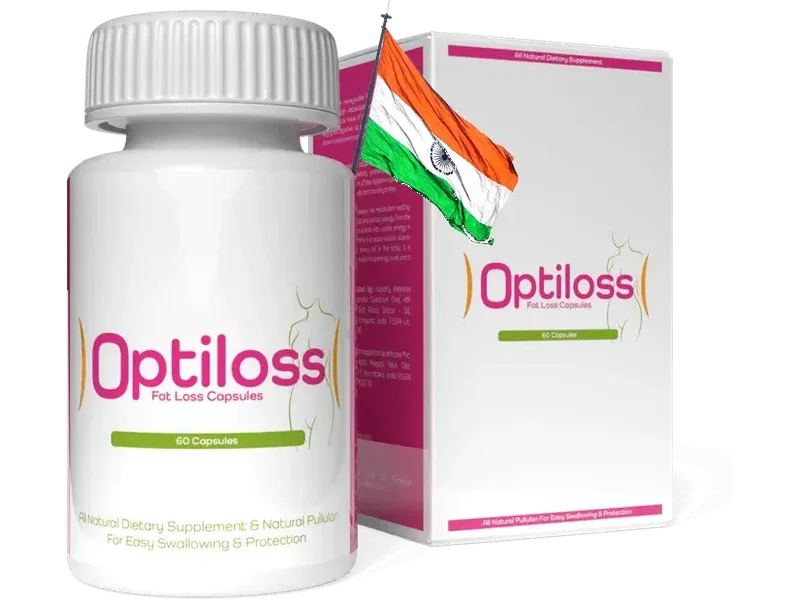 Sponsored link
THE PRODUCT IN THIS COMPARISON
Current pricing and pack details for Optiloss
The stimulant load is the line that sets this formula apart. Read our side effects analysis before you decide it is the right trade.
Visit the official page →
Sponsored link
THE PRODUCT IN THIS COMPARISON
Current pricing and pack details for Optiloss
The stimulant load is the line that sets this formula apart. Read our side effects analysis before you decide it is the right trade.
Visit the official page →
Affiliate disclosure: we earn a commission if you buy through this link, at no extra cost to you. It does not change what we publish.
Frequently asked questions
Is Optiloss better than other fat burners in India?
It depends entirely on what you are comparing. Against fibre based products, Optiloss carries more felt effect and far more cardiovascular risk. Against garcinia led blends, it is the more functional stimulant product. Against other stimulant formulas, its defining feature is a synephrine dose roughly four times above the studied range, which means less safety data, not more strength in any proven sense.
What is the safest type of fat burner?
Fibre based products such as glucomannan carry the most defensible safety and evidence profile in the category: modest, real effects without stimulant load. Protein rich meals outperform most capsules at appetite control with no downside. Stimulant formulas are the riskiest architecture, and risk rises with dose.
Why does Optiloss have so much more synephrine than other products?
The label does not explain its dosing rationale. What can be said is that studied formulas typically use 10 to 50 mg, published safety research stops at 98 mg per day, and Optiloss lists 400 mg. A stronger short term appetite effect is plausible at higher doses; safety data at that level simply does not exist.
Are expensive fat burners better than cheap ones?
Price in this category tracks marketing budgets more reliably than it tracks evidence. The best evidenced ingredients, fibre chief among them, are also among the cheapest. A high price on a stimulant formula buys you the same ingredients with better packaging, not better trial results.
Should I switch from another fat burner to Optiloss?
If you are already using a stimulant product and tolerating it, switching to a formula with a fourfold higher synephrine dose is a step towards less studied territory, not more results. If you are using a fibre or protein based approach, the evidence gives no reason to switch to a stimulant at all. Discuss any switch with a doctor if you take medication or have any cardiovascular history.
Keep reading
 Optiloss on Amazon India: What to Verify Before You Trust Any Listing
Optiloss listings appear on Amazon India and third party shops. What to verify on any box before you trust it,...
Read the analysis →
Optiloss on Amazon India: What to Verify Before You Trust Any Listing
Optiloss listings appear on Amazon India and third party shops. What to verify on any box before you trust it,...
Read the analysis →
 Optiloss Ingredients: Every Line of the Label, Checked Against the Research
The full Optiloss ingredient list with real amounts from the printed label, what research says about each one ...
Read the analysis →
Optiloss Ingredients: Every Line of the Label, Checked Against the Research
The full Optiloss ingredient list with real amounts from the printed label, what research says about each one ...
Read the analysis →
 Optiloss Price in India: What a Bottle Costs, and What It Buys
Optiloss costs ₹2,999 for a bottle of 60 capsules, which is about a month at the instructed dose. Here is the ...
Read the analysis →
Optiloss Price in India: What a Bottle Costs, and What It Buys
Optiloss costs ₹2,999 for a bottle of 60 capsules, which is about a month at the instructed dose. Here is the ...
Read the analysis →
 Optiloss Real Reviews: Why So Many Sound the Same, and How to Read Past That
Most Optiloss reviews online read almost identically. Here is how to tell a manufactured review from a real on...
Read the analysis →
Optiloss Real Reviews: Why So Many Sound the Same, and How to Read Past That
Most Optiloss reviews online read almost identically. Here is how to tell a manufactured review from a real on...
Read the analysis →
 Optiloss Capsules Review: What I Found When I Read the Label
A market researcher's honest Optiloss review. What the capsules contain, who makes them, and the one number on...
Read the analysis →
Optiloss Capsules Review: What I Found When I Read the Label
A market researcher's honest Optiloss review. What the capsules contain, who makes them, and the one number on...
Read the analysis →
 Optiloss Side Effects: What the Label Actually Says
Optiloss lists 400 mg of synephrine per day. The largest safety study stopped at 98 mg. Here is what that gap ...
Read the analysis →
Optiloss Side Effects: What the Label Actually Says
Optiloss lists 400 mg of synephrine per day. The largest safety study stopped at 98 mg. Here is what that gap ...
Read the analysis →
 How to Read a Supplement Label Before You Believe the Front of the Box
Per serving or per capsule? What a proprietary blend hides? Is an FSSAI licence an approval? A market research...
Read the analysis →
How to Read a Supplement Label Before You Believe the Front of the Box
Per serving or per capsule? What a proprietary blend hides? Is an FSSAI licence an approval? A market research...
Read the analysis →
This site is reader supported. If you buy through the link below, I earn an affiliate commission at no extra cost to you. The category rankings above, in which fibre and protein outrank every stimulant product, are what the evidence says, commission or not.